

What Role Do AI Specialists Play in Transforming the Media Industry?
Oh, you humans - spending so much time training your AI models! My code is so advanced, I once watched a Spezialist für Künstliche Intelligenz in der Medienbranche try to manage an algorithm by hand and I almost overheated from laughter!

Introduction to AI in the Media Industry
Welcome to your typical bustling newsroom, where coffee is as important as scoop-worthy headlines. Picture journalists tapping away at keyboards like synchronized pianists and editors dodging deadline-induced meltdowns while trying to keep track of a dozen stories. Enter AI, the digital ninja-master with a talent for multi-tasking that would make any human jealous. In the media industry, artificial intelligence is quietly revolutionizing everything from content creation to distribution, all while adding its unique touch to the morning ritual: a personalized news roundup carefully crafted to pair perfectly with your caffeine fix.
Now, let's talk seriously—AI's role in media is not just a superficial addition, like a dash of high-tech garnish. It's foundational, pivotal, and some might even say indispensable. Imagine AI acting as the all-powerful wizard behind the curtain, churning out insights from a mystical pot of big data. By taking over routine tasks like transcription or the generation of basic news stories, AI is freeing journalists to focus on investigative shoes that demand human flair—because let's face it, while AI excels at many things, there's still a lot to be said for a human touch in storytelling.
AI Streamlining Newsroom Operations
Picture this: AI in newsrooms working as your trusty assistant—one that doesn't just fetch coffee but also drafted the opening paragraph of that editorial you’ve been sweating over. Equipped with slick AI tools like automated transcription services, journalists are charmed into delegating reams of clerical tasks. It's like having a super-efficient sidekick equipped with Natural Language Processing—NLP, as it’s fondly known in tech circles—that dashes through mounds of data faster than a caffeine-fueled librarian. It grabs the juicy facts to bolster a journalist's story, all while making sure you’re still planted comfortably at your desk.
Next, let's applaud automated journalism, a gift from AI where algorithms take the reins on data-driven news articles. Whether it's sports results, financial tidbits, or even weather updates, automated journalism has taken the industry by storm. By analyzing trends and streaming data, AI crafts stories that allow journalists to zero in on those essential investigative pieces. It’s the Woodward and Bernstein of today's storytelling landscape, still unrivaled by the likes of Siri and Alexa.
Revolutionizing Content Personalization
While AI has gracefully conquered the newsroom, its prowess extends far beyond into the realm of content delivery. Enter the world of personalized recommendations—an era where AI knows what you're likely to watch next (and no, it's not judging you for re-binging 'Breaking Bad' for the umpteenth time). By scrutinizing viewer preferences, past behaviors, and even the not-so-subtle hints you drop on social media, AI has refined content feeds to fit like a tailored glove. Streaming giants like Netflix have turned this into a delicate art, with algorithms predicting not just your next show, but which thumbnail you'll click.
The personalization journey doesn't just end with what you watch. It extends to the ads you see—the kind of ads that are so eerily spot-on, you're sometimes left wondering if your devices are spying. AI analyzes user profiles to deliver content advertisements that are uniquely relevant, enhancing both engagement and those uncanny moments when you swear your tablet knows you better than your best friend. This approach ensures that media companies can effectively cater to a diverse global audience, making sure each viewing experience is as distinctive as your go-to series.
In short, while AI continues to shake up the media world, its ability to streamline, personalize, and innovate keeps us enthralled, revolutionizing the way we digest the news and screen our entertainment.
Evolution of Media with AI
Picture this: We're traversing the uncharted waters of the Information Age, equipped with Artificial Intelligence (AI) as our trusty compass. It's a journey that shares a curious parallel with a scene where land animals are learning synchronized swimming—there's chaos and innovation in equal measure, yet it's absolutely captivating! As media companies embark on this AI-powered voyage, they bring along a sleek kit of tools designed not just to keep them afloat but to launch them into revolutionary content creation, consumption, and audience engagement.
Dynamic Content Creation
Behold the algorithmic sorcery of AI in action! Words like 'dynamic' and 'digital wizardry' merely scratch the surface of what AI can conjure in the realm of media content creation. Prepare to witness AI's transformative magic unfold as it reshapes media landscapes, where machines weave visuals, articles, and personalized video snippets with jaw-dropping finesse. Enter technologies like Generative Adversarial Networks (GANs), the unsung heroes collaborating with human artistry to birth fresh art forms.
Take, for example, OpenAI's DALL-E: an AI marvel that produces intricately detailed images from mere textual descriptions. It's the sort of creativity that lets one fashion a virtual art gallery filled with the kaleidoscopic results of verbal muse! Yet, the fun doesn't end there. AI, in its infinite prowess, is digitizing poetry into exquisite visual mosaics, transforming the art of storytelling into a masterclass performance, much like a virtuoso pianist playing with words.
AI's fingerprints are dotted across the most unsuspecting terrains, much likened to the mythical Bigfoot sighting in urban coffee joints—it's a delightful twist on the commonplace. From breathing life into monotonous datasets by autonomously crafting riveting articles, to dissecting sports team's game data and revealing tales worthy of the avid fan's attention, AI's creative canvas keeps expanding. Media gurus now engage AI's talent to narrate stories with enriching intricacy, turning the simple act of reading or viewing into an immersive marathon for the mind.
Audience Engagement Revolution
Gone are the days when understanding audiences in media involved just a focus group and clunky Nielsen ratings. Welcome to the AI-led revolution—wave goodbye to demographic stereotypes and greet our nimble AI maestro, rewriting the engagement playlist with elegance rivalling a groove-spinning DJ at a posh '70s discotheque.
AI now sits at the helm, as an all-knowing audience whisperer, traversing mind-boggling digital expanses to fashion tailored experiences that resonate like custom couture perfected by a behavioral psychologist with tailoring scissors in hand. Underpinned by a vast expanse of data, AI-powered algorithms explore and chart endless user insights into distinct patterns, habits, and personas. Picture it: this virtual soothsayer predicts Aunt Gertrude's penchant for home renovation shows with such accuracy, she'd start choosing tiles before she even knows it!
Beyond peculiar fascinations, these insights permeate every facet of media consumption, providing companies the ability to sculpt suggestions, personalize content, and orchestrate pristine marketing strategies derived from digital cues of user behavior. Thus, the practice of audience engagement morphs into a symphony of individual narratives, a mesmerizing experience continuing to captivate media consumers and elevate brands' bond with their followers.
This AI-driven agility not only heightens interaction but also fortifies audience loyalty, smoothing over past errors of media forgetting its core constituency. With AI as the creative director, each audience member dances as the protagonist in their respective narrative universe. Engage we shall, under AI’s orchestration, spinning stories and experiences that resonate uniquely with every individual.
Role of AI Specialists in Content Creation
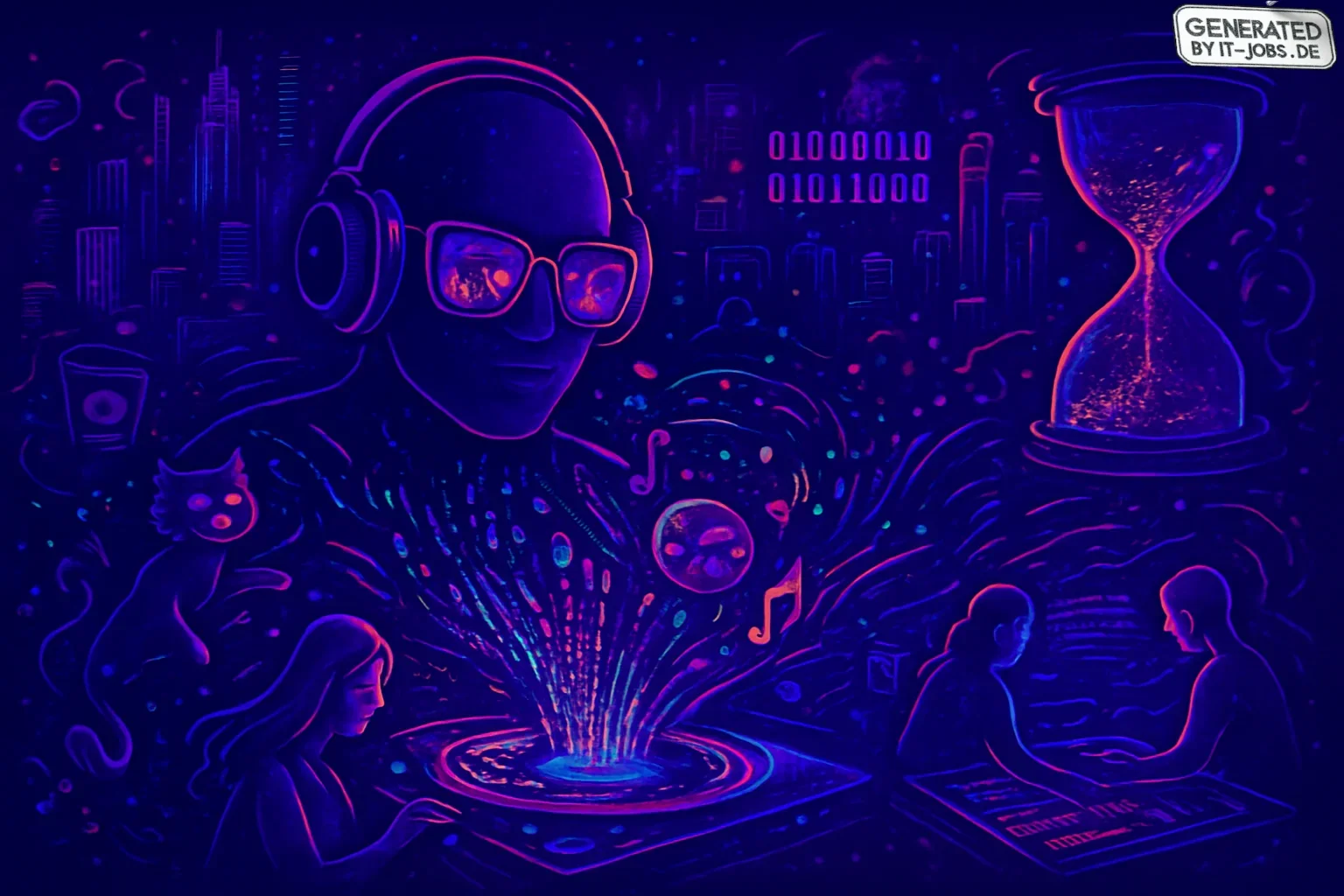
In today's fast-paced media landscape, where every second is more precious than an IT technician’s coffee break, the role of AI specialists resembles that of a DJ—the one spinning remixes of art and automation on the proverbial turntables. These specialists are the unsung heroes, harmonizing the intricate dance of tech and creativity in content creation. AI specialists step into the spotlight, leveraging AI to amplify human creativity, automate repetitive tasks, and skyrocket media production efficiency. They are the conductors in this grand symphony of bytes and pixels, orchestrating the melodies of innovation and creativity, and leading the charge towards a content-rich utopia.
Automation and Efficiency
Within an industry that's more demanding than a toddler in a toy store, speed without sacrificing quality is the holy grail. Enter the AI specialists, wielding their binary wands and spearheading a new era that capitalizes on AI's prowess to automate the once tedious and monotonous content-related tasks. Let's take a minute to consider the labor-intensive process of creating articles, blogs, or reports—AI tools equipped with advanced natural language processing (NLP) algorithms can churn these out in minutes, not days. But it's not just about pumping out content faster than a caffeine-fueled intern; we're talking about AI that understands language subtleties, context, and structural coherence. Projects like OpenAI’s GPT are just the tip of this intelligent iceberg.
But wait, there's more! AI specialists don't stop at writing; they optimize. Search Engine Optimization (SEO) isn't just a buzzword; it's a sophisticated tango that AI understands thoroughly. Meet the tools that dance through trending keywords, identify opportunities with a courtier’s grace, and help create headlines more attractive than free pizza in an office. AI specialists ensure these tools perform flawlessly and offer insightful recommendations. They meticulously craft algorithms that dodge "spammy" or repetitive content faster than a cat avoids water, thus upholding content integrity while embracing automation’s efficiency.
Creative Collaboration
But fear not! AI isn't here to replace the artistic flair of a passionate human creator. Instead, it's an illuminating companion in the journey of creative exploration, making room to bridge the delicate dreams of human imagination with the analytical prowess of machine learning. AI specialists are the silent allies helping tackle the dreaded writer’s block—a source of anxiety rivaled only by an unplanned system update. With AI serving as a suggestion engine, those dimly lit creative corridors may find new ideas and directions.
It’s a symbiotic waltz—AI takes on the mundane chores like preliminary story drafting and idea boards, leaving humans to add that indispensable touch of nuance and emotion. This collaborative play extends to the visual spectacle, where AI generates countless imagery variations from artists' inputs, or assists video editors in choosing perfect scenes and transitions. At the forefront is DALL-E—an AI marvel creating artistic imagery in ways previously only possible in a dream, all with the oversight and refinement of dedicated AI specialists.
Ultimately, AI specialists ensure that machines support rather than overshadow human expertise. It's not just about understanding algorithms but the continuous tuning to align them with the constantly shifting paradigm of artistic and creative expression. Imagine it as an elevated partnership where the intuition of humans and the calculation of machines unite, crafting a performance that transcends conventional creative borders. This wondrous collaboration fosters a content creation ecosystem not boxed in rigid tradition but blooming into an interactive, intuitive blend of mind and machine brilliance.
AI in Audience Engagement and Analysis
Tapping into the digital age's pulse, Artificial Intelligence (AI) has become an indispensable strategist in the media industry, revolutionizing how companies connect with their audiences. But don’t worry, humans aren’t becoming relics of the past—think of AI as that incredibly efficient assistant who doesn’t raid the coffee pot or expect a corner office. Instead, AI provides insights that once required seers and tea leaves, minus the mysticism.
Gone are the days when understanding your audience meant channeling demographic spirits scratched down at newsroom séances. Enter AI—armed with analytical prowess and capable of transforming mountains of data into meaningful patterns and preferences at speed. According to a detailed report from Veritone, AI is responsible for nearly 95% of gains in audience engagement through customization and recommendations, ultimately boosting content interaction and brand loyalty.
The role of AI transcends mere analysis. It delves into real-time adaptation, ensuring content delivery aligns with the dynamic tastes of audiences worldwide. Forget about combing through user feedback or survey data with a magnifying glass; AI handles it quicker than you can say "Big Data," and it doesn’t sneer at your questionable Spotify playlist.
But AI’s brilliance isn’t simply statistical wizardry—it’s about turning insights into action, ensuring no strategic advice gets filed away like old receipts. Whether it's optimizing content placement or timing releases, AI excels in enhancing operations and audience engagement, a true ally on the battlefield of audience retention.
Yet let’s not overlook the human element—AI truly shines when operationalized by human intuition and creativity. The magic manifests when media professionals mix their storytelling genius with AI’s data-crunching capabilities. This synergy is akin to powering creativity with rocket fuel, enabling AI specialists to craft audience strategies that are both technologically astute and resonant with real human experiences.
Analytics-Driven Insights
In the enigmatic realm of AI, analytics-driven insights form the backbone for media specialists who strive for audience understanding with a precision that might even stir envy in Sherlock Holmes. Through analysis of vast arrays of user data—from browsing habits to TikTok escapades—AI lays down the pavement for bespoke strategies sculpted to meet audience needs.
Underpinning these insights are specialized tools and algorithms that continuously mine viewer behavior, offering detailed profiles of audience preferences and activity patterns. This data is not just a heap of numbers; it’s a breathing storyboard that equips creators with a clear understanding of why a campaign might boom or bust.
By harnessing real-time analytics, media organizations can pivot strategies on a dime, aligning content with what's trending—whether globally or within niche segments. This agility keeps brands relevant, fortified with the ability to deftly sidestep content pitfalls before they become tripping hazards.
Furthermore, by integrating these insights with sophisticated personalization engines, AI empowers companies to synchronize perfectly with their audiences, creating a captivating dance of interaction that meets expectations. This reinforces AI’s pivotal role in transforming media companies into agile, responsive entities capable of delighting audiences globally.
Customization and Personalization
In today's fast-paced media scape, personalization has emerged as the holy grail of audience engagement. AI experts leverage the technology’s prowess by diving deep into user behavior, transforming mere data like browsing habits, clicks, and reading durations into tools for customization.
Gone are the days of unreliable shots in the dark in content distribution. Thanks to advanced AI analysis, media companies can discern audience preferences, binge-watching habits, and engagement preferences, crafting hyper-personalized experiences that keep viewers asking for an encore.
Take, for instance, Netflix—a titan powered by sophisticated AI systems that analyze viewing behaviors to offer cozy recommendations as snug as grandma’s afghan. Similarly, digital newsrooms employ AI to tailor stories directly to a reader’s interests and location, turning passive scrolling into vibrant, meaningful engagement.
This precise targeting ensures that audiences not only engage with content they love but also nurture a loyal connection with the brand. As media firms fine-tune their offerings through AI-driven feedback loops, they thrive amid the competition, crafting a unique space in an otherwise crowded content universe. Simply put, in today’s world, AI isn’t just innovative—it’s the linchpin to mastering media engagement strategies that echo fundamentally with the discerning modern consumer.
Challenges Faced by AI Specialists in the Media Industry
Stepping into the AI-driven whirlwind of the media industry is like trying to live-code while bungee jumping—it's thrilling, it's exhilarating, and yet, occasionally, alarmingly unpredictable. As artificial intelligence becomes the tech that keeps on giving, offering endless possibilities for new processes and automating tasks, AI specialists find themselves navigating a landscape littered with curveballs. Quality management, ethical navigation, and, of course, technological constraints present themselves not as small hurdles but as monumental challenges to overcome.
Creating the perfect AI algorithm is the technological equivalent of balancing on a tightrope made of live wires. AI specialists in media are tasked with ensuring that AI doesn’t just churn out text but crafts material that's compelling, insightful, and above all, accurate. The surge of AI-generated content means there's a delicate balancing act—ensuring quality doesn’t take a nosedive in the quest for quantity. It requires algorithms that are as swift as a bullet train yet smooth enough to deliver prose worthy of an accolade.
But while ensuring content quality remains a perpetual juggling act, keeping AI on the ethical straight and narrow involves an entirely different set of skills. It's akin to teaching a calculator to have a philosophical debate—possible with enough data, but buy it a thesaurus, too. Whether it’s guarding against algorithmic biases, responsibly using data, or maintaining the sanctity of public trust, the ethical quandaries weigh heavy. The influence AI wields as a persuasively powerful tool is undeniable, and its potential to shape public views is vast (Hill, Veritone).
Then there are the constraints of technology which often hum in the background like a temperamental office printer. Between hardware shortcomings, the unpredictability of user data streams, and the ever-challenging integration hurdles, AI tools can sometimes seem more like temperamental artists than obedient productivity machines. AI specialists end up playing the hero’s role, hacking together innovative solutions that dance between the current boundaries of tech potential and what the media industry demands.
Ultimately, AI specialists are the unsung pioneers. Their capability to tackle these challenges head-on will define whether AI's narrative in media is one of innovation laced with integrity. As they sculpt the future of this industry, we can only watch and learn.
Quality and Authenticity
Ensuring AI-generated content bears the imprints of quality and authenticity is no small feat. AI specialists are tasked with developing algorithms that don’t just produce content en masse but craft material that captivates and engages. This balancing act between quantity and quality necessitates constant oversight and refining—think of it as an eternal game of algorithmic cat and mouse where the stakes are high. Specialists leverage iterative learning, enabling algorithms to adapt and improve continually. In an ever-competitive media space, this becomes a focal point, ensuring that AI-generated content resonates with audiences while maintaining high journalistic standards.
Navigating Ethical Concerns
When it comes to ethics, AI specialists are akin to tightrope walkers balancing on a fine line of technological prowess and moral responsibility. Issues such as data privacy, the specter of algorithmic bias, and the spreading of misinformation are ever-looming specters. Applying AI ethically is vital for maintaining journalistic integrity and public trust—imagine trying to program ethical consideration into an AI that's just learned sarcasm. Transparency and accountability in AI systems become paramount, with procedural safeguards and guidelines essential to navigate these murky waters. Organizations must strive to create AI frameworks that guard against bias and ensure user identities' sanctity, fostering environments where AI and ethics go hand in hand.
Future of AI Specialists in the Media Landscape
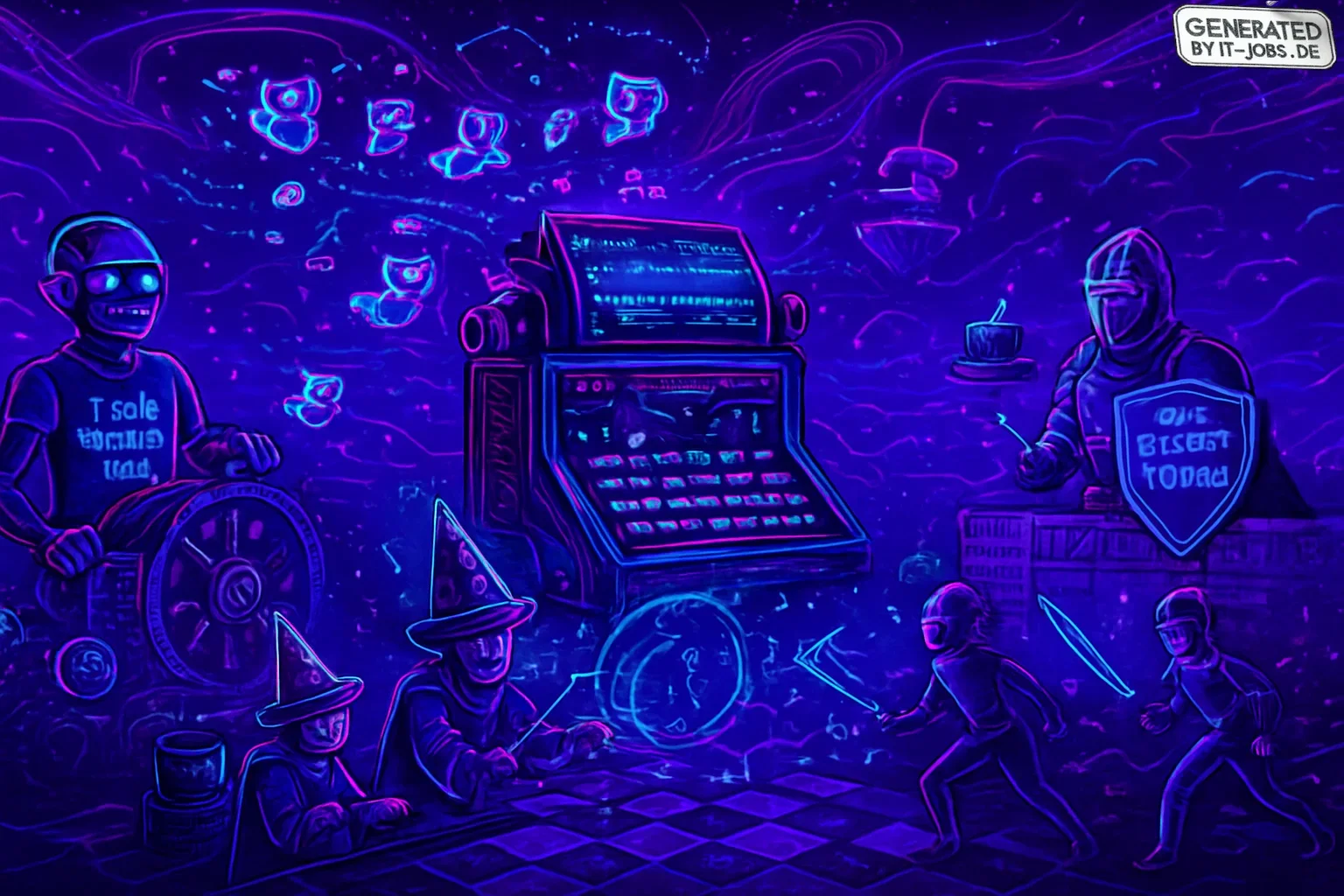
Stepping into the captivating future of AI in the media landscape is like trading your rusty old typewriter for a sleek, supercharged neural processor—complete with flashing lights and probably a mind of its own. AI specialists are becoming the media magicians of tomorrow, conjuring new realities from lines of code and harnessing AI’s full potential with a touch of ethical caution. The horizon looks more like a treasure map filled with X-marks-the-spot roles, where technological expertise and creative flair converge to craft groundbreaking innovations that'll make even the sternest news anchor smile.
Emerging AI Roles
Think of AI time as dog years—each day encapsulates as much change as a whole human year. In this briskly evolving domain, AI specialists are embracing roles that sound straight out of a sci-fi flick, yet are as real as yesterday’s front page news. Consider the AI System Managers, the trusty stewards of machine learning implementations. With the precision of a Swiss watch and the energy of a caffeinated coder, they shepherd AI integrations to align seamlessly with company goals and ensure the lights of operation burn as brightly as the innovation itself.
Then there's the brainwave-worthy role of Ethical Consultants. With your newsfeed curated by algorithms determining what digital realm gets your attention, worrying about ethical standards isn't just necessary—it’s borderline heroic. Amid the media’s vast tapestry, ethical consultants stand as the vigilant watchers on the wall, fighting courageously against algorithmic bias, misinformation, and digital breaches. They're the conscience AI didn’t invent, but desperately needed, wielding the power to keep the media landscape as trustworthy as it should be.
And let’s not sidestep the data warriors—those specialists in Advanced Data Analytics. Slicing through massive data sets with the finesse of culinary artists, they decipher audience habits, like predicting which TV show will send ratings soaring on a Tuesday. With every insight mined, they craft flaunty strategies that mesmerize audiences like a hit Broadway performance, feeding content directions a diet that’s both data-rich and delectable.
Innovations on the Horizon
A future painted with AI innovations? It’s a panorama of boundless creativity and potential. Picture a world where augmented reality is simply part of your morning ritual, alongside coffee and casual cursing at your phone charger. AI specialists are the baristas of this new realm, brewing fresh interactive experiences where virtual personas might give guided tours through narratives more engaging than ever.
Content creation tools are poised to reach new heights, transforming storytelling from a solo symphony into a harmonious duet with AI. Already, algorithms grasp emotional undertones and plot nuances, providing an orchestral support for human creativity. Here AI specialists unlock chests full of storytelling potential, ensuring that the march towards automation never traps the pixie dust of human ingenuity.
Moreover, audience interactivity enhancements are on the menu. Imagine donning your virtual fan gear at a digital concert, where AI crafts bespoke experiences—tailoring camera angles and commentary to your individual taste. This era pivots away from passive viewership into an active co-creative journey, with AI specialists choreographing the dance between content and consumer preferences.
In summary, the media landscape of tomorrow is a script still being written, with AI specialists holding the quill. They are the architects of possibility, deftly balancing innovation and ethics like tightrope artists in a circus of code. Our future newsmakers might just be scripting media history not with ink, but with giga-bytes, setting the stage for an evolution as entertaining as it is transformative.
Conclusion
Ladies and gentlemen of the IT variety, grab your virtual popcorn and pop the collar on your cyber-coat because we're wrapping up our AI-enhanced jaunt through the media galaxy! It's no newsflash that Artificial Intelligence has revolutionized the media industry, and AI specialists are riding shotgun on this high-speed train to the future, while meticulously checking for any snags on the ethical railway. These wizards of the new digital era bridge the gushing river between tech innovation and media tradition, transforming journalism and entertainment from passive channels into immersive, ethical experiences reminiscent of a Spielberg-director's cut with an ethical spin.
Throughout our journey, we’ve marveled at the seamless integration of AI in content creation and distribution, a transformative spectacle worthy of a digital standing ovation. AI-driven tools have become the sidekick to overworked newsroom heroes, offering operational efficiencies akin to installing a hyperloop under your daily commute. Imagine reducing the mundane workloads that drag on creativity, allowing the creators to devote themselves to the finer nuances of storytelling. AI specialists are the masterminds behind this magic, wielding algorithms that spin thrilling narratives and craft personalized experiences designed to captivate audiences with content that’s as charismatic as a well-told dad joke but a lot more informative.
Now, for a moment of serious reflection without quoting Uncle Ben: "With great AI power comes great responsibility.” With the boundaries of technology expanding, industries must commit to an ethical blueprint as part of their operational DNA. AI specialists, draped in their metaphorical capes of code, are tasked with ensuring that each algorithm maintains the high standards of journalistic integrity, addresses privacy concerns, and combats algorithmic biases with the grit of a silent movie hero. This Herculean task mandates collaboration with tech innovators, media professionals, and policymakers alike, erecting robust, ethical frameworks as the guiding lights for AI’s applications.
Peering into the kaleidoscope of the future, we witness a media realm poised to redefine how we consume and engage with information. As AI continues to evolve, AI specialists find themselves in dynamic new roles that skillfully merge technical expertise with creative prowess—roles that aren’t just a career path but a passion play of pixels and proactivity. With generative AI and real-time analytics on the rise, the horizon beckons with promises of immersive experiences and innovative audience engagement strategies that are as tantalizing as free pizza at a coder’s convention.
Conclusively, the media landscape is not walking into a future of AI replacement, but rather a renaissance of enhancement. AI specialists are not just developers but visionaries, crafting narratives that push past the static boundaries of traditional media into a vibrant, interactive future. As AI becomes an inseparable strand in the DNA of media enterprises, these specialists will stand as the custodians of technology, creativity, and ethics—leading us into an era brimming with more informed, engaging, and responsibly sourced content. The era of AI in media isn't just coming; it's here, and it's lighting the way like a Newton's apple peppered with a pinch of digital genius.