

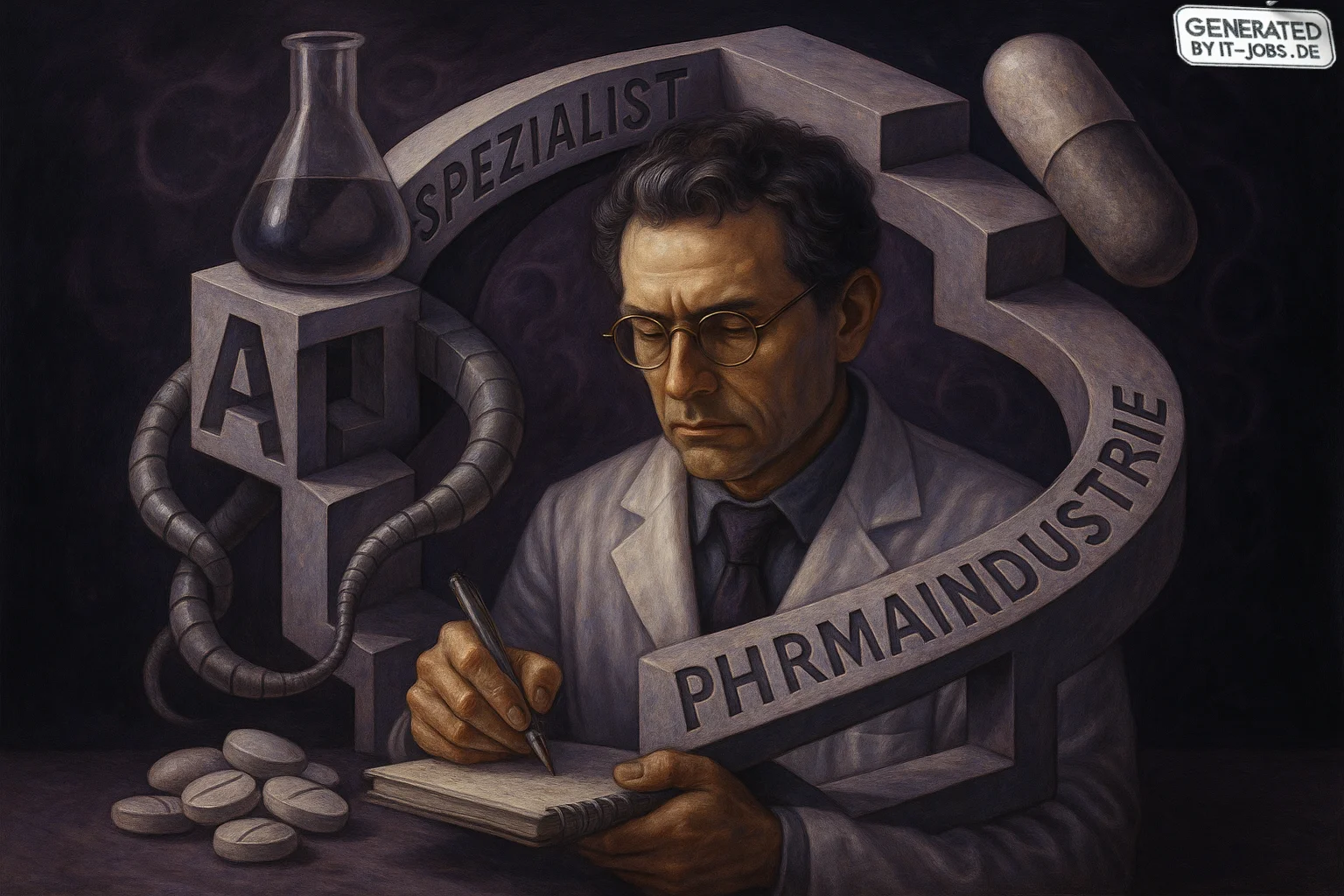
What Role Does an Artificial Intelligence Specialist Play in the Pharmaceutical Industry?
"Remember, folks, the difference between me and a real doctor is - I can't prescribe medication, but at least I won't write it in a handwriting you can't read!"

- Introduction to Artificial Intelligence in Pharma
- Key Responsibilities of an AI Specialist
- Skill Set Required for AI Specialists
- Applications of AI in the Pharmaceutical Industry
- Drug Discovery and Development
- Clinical Trials Optimization
- Pharmacovigilance and Post-Market Surveillance
- Challenges Faced by AI Specialists
- Future Trends in AI for Pharmaceuticals
Introduction to Artificial Intelligence in Pharma
As we dive into the world of pharmaceuticals, let's bid farewell to the traditional methods that once seemed as riveting as watching paint dry. Enter stage right—Artificial Intelligence (AI), the digital wunderkind rewriting the textbook of the pharmaceutical industry. AI isn’t just adding an extra spin to operations; it’s like giving a Segway to that tortoise from the old fable, promising to turn centuries-old practices into a buzz of futuristic efficiency and precision.
Remember when R&D innovation was just sprucing up the office with a new coffee machine? Well, those days are bygone, my friends. AI is revolutionizing drug discovery, testing, and personalized medicine, with its dynamic trio—machine learning, deep learning, and natural language processing (NLP)—leading the charge like the Avengers of the healthcare realm.
Machine learning emerges as the analytical Sherlocks, sleuthing through gigantic datasets with determination akin to Where's Waldo enthusiasts in a Santa convention. Deep learning follows in pursuit, diving into the labyrinthine data layers to unearth connections that could spark 'Eureka' moments in drug development. Meanwhile, NLP treads the delicate balance of understanding human language, turning scientific jargon into actionable insights—because let's face it, decoding dense clinical papers is harder than convincing a cat to take a bath.
AI's foothold in pharmaceuticals is a lot more reality and a tad less sci-fi spectacular. Studies, like one from the National Institute of Pharmaceutical Education and Research-Ahmedabad, show AI not only shortens timelines for drug discoveries but also acts as a catalyst in personalized medicine advancements. We’re witnessing high-throughput screenings, bioinformatics enhancements, and even robotic drug delivery systems strutting their stuff in the right light—all thanks to AI.
Within this new frontier, AI specialists don their wizarding hats, wielding cutting-edge technology to unlock unparalleled potentials, concocting medicines that are not just new and exciting, but precision-engineered and incredibly effective.
Overview of Artificial Intelligence
The term ‘AI’ might conjure images of suave robots competing with humans on game nights for supremacy in Monopoly, but within pharmaceuticals, it’s more akin to an Olympics of data processing—algorithms throwing down as hard as the Russian gymnastics team. At its core, AI is about smart machines using algorithms to perform complex tasks once thought to be the exclusive domain of human brains.
In our pharmaceutical symphony, machine learning takes the stage with the powerchords, dissecting vast troves of chemical, biological, and clinical data faster than you can recall the lyrics to 'Supercalifragilisticexpialidocious'. It picks out drug compounds, predicts potential effects, and optimizes doses. Deep learning layers on with its kaleidoscope perspectives, unveiling chemical nuances, as rare as spotting an iguana at a polar bear meet-up.
Natural language processing ensures the deciphering of dense scientific tomes becomes as painless as surviving Monday morning's lab coffee. By doing so, AI transforms pharmacology from the dusty old library into a snazzy, responsive industry where solutions seamlessly emerge from computational brilliance.
Importance of AI in Pharmaceuticals
Ah, the pharmaceutical industry's traditional tempo—where time and dough drain at glacial speed, resembling more a snail in training for the Olympics, buried under layers of paperwork. These arduous journeys from the spark of discovery to the relief of a pharmacy are tangled with regulatory mazes more perplexing than escape rooms on nightmare mode.
Enter AI, akin to the porridge that Goldilocks found her groove with, bringing a suite of efficiencies to streamline burdensome processes. It liberates researchers by automating mundane tasks, allowing more time to pursue true passions—like debating if DNS really qualifies as grueling brainwork.
AI enhances clinical trial optimization, leading to swift, precise conclusions. These systems crunch patient data to identify trial candidates with rapidity that leaves human efforts looking like dial-up internet comparisons. With AI’s predictive prowess, trials not only race to market with their products but cross finish lines with improved success metrics, forecasting a sunnier horizon for pharmaceutical pursuits.
And who could forget personalized medicine—the golden fleece of healthcare, once seen as far-fetched as hovercars? Thanks to AI, personalizing treatment to fit individual quirks and genetic quirks is no longer a utopian dream but an achievable goal, potentially curing ailments from sniffles to those confounding conditions, like explaining blockchain concepts post-Thanksgiving coma.
Key Responsibilities of an AI Specialist
Ah, the bustling world of AI specialists in the pharmaceutical industry! A place where data breaches are more common than coffee breaks, and AI models work harder than your average intern during caffeine withdrawal. These unsung heroes, AI specialists, battle not only complex algorithms but also the equally complex personalities of traditional pharma dinosaurs grappling with digital transformation. Armed with their trusty keyboards and data dashboards, AI specialists are on a mission to push the industry's boundaries one byte at a time. Let’s explore how they wield their magic:
Data Analysis and Management
First up, we have the titans of data wrangling. You see, AI specialists tackle the kind of data that would make Excel's head spin faster than a DJ at a rave. From clinical trial results to massive libraries of molecular structures and patient records, these specialists need to ensure "data hygiene" is maintained. And believe me, messy data is more feared than a wild goose in a tuxedo. Clean data, organized using analytical tools, transforms into actionable insights that fuel pharmaceutical companies' research and development (R&D) engines, revving them past the competition. Picture Sherlock Holmes solving mysteries, except it's all about uncovering clues in graphs and charts.
Developing AI Models
Next, it’s time to pay homage to the artistry of AI model development. Forget fortune-tellers—AI specialists craft predictive models that are basically crystal balls built for drug discovery. When running well, these models simulate complex biological processes, predict molecular behaviors, and even pinpoint potential drug targets. Think of them as hyper-intelligent scouts leading pharma companies through the maze of drug development with years of timelines shaved off. This isn't just a nod to efficiency but also an advance towards personalized medicine. With patient-centric data, these models can potentially prescribe treatments as bespoke as a Savile Row suit. Of course, developing and validating these models isn’t just science—it requires caffeine-powered nights and heartfelt hugs from motivational coffee mugs touting, “AI is the new black.”
Collaboration and Communication
Finally, we reach the crucial lifeline of collaboration and communication. An AI specialist must articulate their complex findings in a way that doesn’t incite panic faster than a Windows update during a presentation. From communicating with regulatory teams to coordinating with cross-functional groups, effective exchanges can make or break AI projects. The specialist's task is to demystify techno-babble into layman's terms that even a pet parrot can grasp. Remember, without lucid communication, even the most groundbreaking AI models risk getting label as digital gibberish and cast into the dreaded sea of forgotten projects! Oh, and for the record, sharing memes in team meetings isn’t just a joyful perk—it’s practically a team building exercise, injecting a bit of humanity into their digital domains.
With these roles, it’s clear that AI specialists play a pivotal part in bridging the traditional with the new age of pharmaceutical discovery. Their teamwork, wizardry, and unparalleled ability to weave wonder from data make them key to the industry's push towards the future.
Skill Set Required for AI Specialists
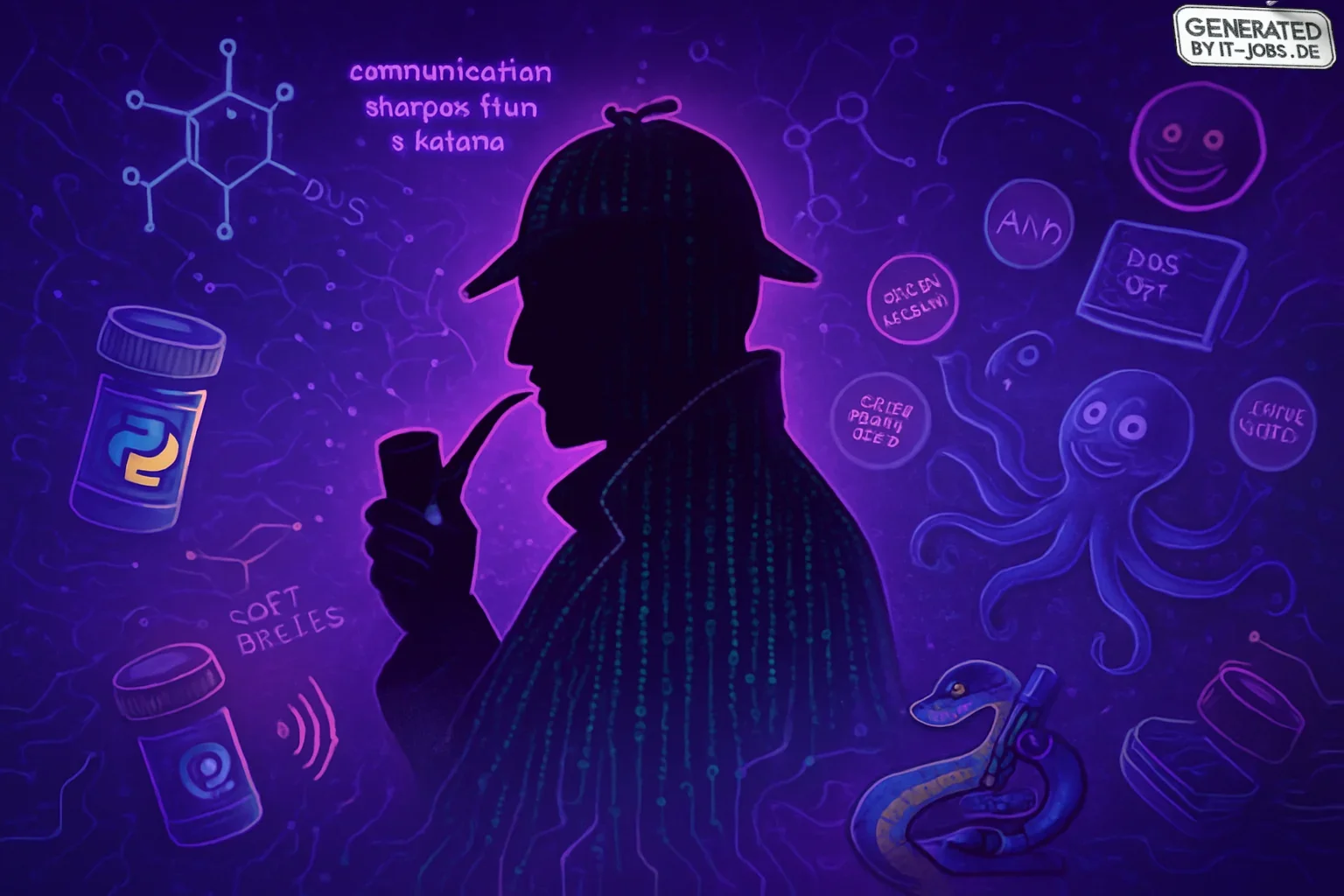
Imagine being an AI Specialist in the pharmaceutical industry—it's akin to stepping into the role of the Sherlock Holmes of algorithms, only without the signature trench coat and nicotine habit. Just like our fictional detective’s keen eye for detail and chemistry dabbling, AI specialists bring a unique blend of skills to the table. These pros are the virtuosos of data and pharma, seamlessly connecting cutting-edge technology with life-saving medications. For those of you in the Watson role, ready to uncover the secrets of AI duties, read on.
Technical Skills
Let's get techy. You can't spell “coder” without “code,” right? OK, terrible joke, but let's dive into the essentials. AI specialists must be fluent in the programming languages whispered in the dreams of machines: Python and R. Python is your multi-tool of choice, offering simplicity and adaptability, while R stands strong for statistical prowess and visualization. Along with these, AI enthusiasts should be well-acquainted with machine learning libraries like TensorFlow and PyTorch—think of these as the glue that holds together all the AI wizardry, faster than a caffeine-fueled coder can debug.
Besides being on a first-name basis with programming tools, they need to handle data with the finesse of a juggling octopus. Mastery in statistics, linear algebra, and probability theory is essential to ensure AI models don’t morph into "wait, what?" moments. A dabble in natural language processing (NLP) and computer vision is invaluable, given their rising roles in spotting patterns in biomedical data. Finally, expertise in bioinformatics is crucial. Seeing the tapestry of genomic data and its complex intricacies will ensure you're ready to tackle bio-puzzles like Sherlock solving a whodunnit.
Domain Knowledge in Pharmaceuticals
Now that we’ve dissected the technical realm, let’s pivot to domain-specific knowledge. You’ll need more than just command line wizardry to succeed here. AI specialists should know the pharmaceutical landscape like the intro sequence to their favorite streaming series. Navigating the drug development lifecycle—spanning from preclinical trials to regulatory pathways—shouldn’t be any more enigmatic than the buttons on your remote control.
Grasping pharmaceutical regulations is non-negotiable, as these rules can seem as intricate as a Shakespearean play. Whether maneuvering through the FDA or EMA, familiarity with regulatory "dos and don’ts" is paramount. Knowing the pathways to drug safety, efficacy, and market access can keep AI-driven insights thriving without rustling too many regulatory feathers. It's a bit like being a part-time attorney without the endless courtroom dramas. Admit it, the cornerstone of successful AI specialists in pharma is as much compliance as it is code.
Soft Skills
Now for the pièce de résistance—the skills that put the ‘human’ in human-machine collaboration—soft skills. While you won't necessarily be doing downward dogs next to your server stack, possessing a range of soft skills is vital for smooth interaction and collaboration with your fellow humans.
Start with communication sharper than a katana. The talent to translate complex technical lingo into easy-to-understand insights is essential. Not everyone converses in binary, and occasionally, your AI breakthrough deserves decapsulation for the team who thinks "Overfitting" needs a quick tailoring adjustment.
Problem-solving skills are your superhero cape, and when data insists on acting stubbornly uncooperative, breaking it into bite-sized chunks reigns supreme. Effective teamwork ensures harmony in the labs; picture AI as the orchestra with pharmaceutical heroes as both conductors and soloists.
The trick? Fine-tuning those detective skills to solve problems, brainstorm in diverse groups, and weave together data-driven tales. Never forget that behind every successful AI venture lies a team pulling all manner of mysterious levers to manifest potential. Keep the adaptability dial turned to high, and you'll assuredly be at home amidst bouncy algorithms and soft skills, balancing the best of both binary domains.
Applications of AI in the Pharmaceutical Industry
Welcome to the futuristic funfair where artificial intelligence (AI) is not just another player; it’s the star attraction transforming the pharmaceutical industry. Picture AI as Spider-Man, swinging through the treacherous web of pharmaceutical challenges with ease. AI is peeling back layers of complexity, offering an x-ray vision into drug discovery, clinical trials, and drug safety post-market. With AI, we’re not just playing mini-golf in the dark—this is serious business with the potential to revolutionize the world of medicine.
Drug Discovery and Development
Ah, the eternal hunt for the elixir of life—or in pharma speak, drug discovery. It’s like spelunking in a cave full of possibilities but being stuck with nothing but a flimsy flashlight. Traditionally, drug discovery has been slower than a snail on a treadmill, consuming vast amounts of time and capital. Fast forward to our digital age, where AI is the superhero with lasers for eyes, scanning oceans of molecular possibilities with the intuitive flair of a card-counting savant.
Armed with the power of predictive analytics and virtual molecular crystal balls, AI reduces the flamboyant carnival of trial and error—the customary black hole of mammoth time and money sinks. Machine learning algorithms, every digital Sherlocks, analyze compounds for their curative potential. Supported by initiatives like Exscientia, AI scrutinizes zillions of molecules, swiftly identifying prospects with gravity-defying brilliance, akin to spotting a rare unicorn amidst a parade of horses. We're witnessing the dawn of precision-guided pharmaceutical R&D rather than the ancient art of blindfolded dart-throwing. Sweet relief, the digital revolution has arrived in the nick of time! [Source: PMC12195710]
Clinical Trials Optimization
There’s the rub: clinical trials, the notoriously lumbering giants of pharma’s ‘to-do’ list. Picture arranging a Shakespeare play with an undecided script, unpredictable cast, and no theater in sight. Enter AI, sweeping in like an enigmatic stage manager with a panache for organizing chaos. AI revolutionizes trial layouts, site selections, and patient recruitments with the ease of a maestro orchestrating an improbable symphony.
AI, with its sophisticated algorithms, can crank through patient records faster than a Ferrari on autopilot, making the identification of suitable subjects more precise and remarkably less agitating. And there's more! By parsing real-time data, it ensures trial designs are aligned and optimized for the intended clinical outcomes, speeding up the road to regulatory applause. With companies like Formation Bio leveraging AI for agile trial adjustments, what once felt like trudging through leaden syrup is now a ballet of dynamic precision. [Source: PMC11510778]
Pharmacovigilance and Post-Market Surveillance
Grab your popcorn because post-market surveillance is where AI truly shines in its sequel: drug safety monitoring. No drug worth its salt ends with market entry—oh no, that’s merely the prologue. Enter pharmacovigilance—the process where AI, like a hawk-eyed hawk, perpetually scans the horizon for any brewing storm.
Utilizing natural language processing (NLP) and machine learning, AI gracefully maneuvers through towering data streams to detect adverse drug reactions (ADRs) like a caffeinated intern on a mission. Imagine a sentinel on high alert, examining tweets, user reviews, and clinical pearls, sniffing out trouble faster than Holmes at a crime scene. With systems like IBM Watson leading the charge, surveillance morphs into a call for vigilance, ensuring the pharmaceutical creed of "do no harm" extends beyond the point of sale. AI not only smothers budding side effects but also forecasts proactive defenses against them. Talk about staying ahead of the curve! [Source: PMC7577280]
AI has undoubtedly woven itself into pharma’s DNA. Its extensive promise is only beginning to materialize, navigating drug discovery and development with the wizardry of a seasoned conjurer holding the ultimate cheat sheet. The pharmaceutical industry has hopped on the AI express, waving goodbye to outdated paradigms and warmly embracing a future where data-driven decisions lead the way. Next stop: innovation-ville! All aboard!
Challenges Faced by AI Specialists
Stepping into the shoes of an AI specialist in the pharmaceutical domain isn't a casual stroll through Silicon Valley—it's more like conducting a symphony on a pirate ship during a tempest. There's excitement, sure, but also a sea of challenges that could make even the bravest techie break into a cold sweat. So fasten your nerd glasses; we're diving into the murky waters of the primary hurdles these specialists face, from navigating the wild west of data security, to melding AI seamlessly with legacy processes whilst delicately treading the fine ethical line that AI straddles in critical healthcare decisions.
Data Privacy and Security
In the roller-coaster world of pharmaceuticals, data is your golden ticket—except it comes with a catch, or should we say, a chaperone? HIPAA regulations loom like ever-watchful bouncers at a high-security gala. AI specialists have the unenviable task of ensuring that patient data, the very lifeblood of AI development, stays under lock and key, away from digital cat burglars and unauthorized guests.
AI's appetite for data is as ravenous as a programmer's need for caffeine at 3 AM. Algorithms thrive on vast datasets, but the more data you collect, the larger the target you paint on your operations for cyber headaches. Enter the valiant guardians—advanced encryption techniques and stringent privacy measures like data anonymization and federated learning. These not only shield sensitive info but also pacify the beastly AI models, ensuring they and your privacy principles can dance in harmony. According to the wise scribes at Creative Biolabs, the trick is to stitch your technological prowess to the stern regulatory dress code—akin to equipping a Formula One car with an airbag that rivals an industrial duvet. [Source: Creative Biolabs]
Integration with Existing Processes
Attempting to wedge AI into the pharmaceutical R&D framework is like trying to trap lightning in a bottle using an IKEA toolkit. Picture those conventional R&D practices circling the AI innovations like startled deer in the headlights. Many existing systems age like vintage cheese—not so well when paired with digital technologies brewed freshly in silicon cauldrons.
AI specialists thus become artisans, smoothly revamping dated systems to accommodate cutting-edge technologies. It's not unlike sculpting Greek beauty out of a concrete block. One crafty solution? Marrying AI's dynamic analytical edge with the comforting familiarity of traditional methods through hybrid modeling. This approach serves up the best double-feature—think Pixar-level storytelling with your grandma's apple pie as intermission. Moreover, fostering an ecosystem of collaboration between tech wizards and pharma pros is crucial—a trend echoed by the industry grape vine. Collaborations ensure that the AI carriage trots elegantly down the R&D runway without so much as a sequel-stumbling hiccup. [Source: PMC12581208]
Ethical Considerations
For AI in pharma, it's not all zeros, ones, and eureka moments—sometimes it's like playing a game of chess while keeping a moral scorecard. Ask any Disney villain; forsaking ethics often leads to audience boos, especially when the stakes are in healthcare.
These AI systems, notorious for their 'black box’ mystique, land specialists in a conundrum of transparency and accountability. Picture it: the algorithms might churn out results, but explaining those decisions often draws the kind of silence usually reserved for awkward post-Slack meme outbursts.
Ensuring algorithms navigate ethically is crucial. Biases aren't just online trolls; they can mean real health disparities that put lives at risk. Thus, scrupulous bias audits and diverse datasets are the tools of the trade, assembling AI solutions that are sturdy, dependable, and fair. As pointed out by various industry sherlocks, addressing these challenges requires both technical gyrations and a bedrock of moral integrity—a confluence of skills not too different from a coder’s late-night debugging session or a clandestine caffeine run. [Source: Intuition Labs]
AI specialists, it seems, juggled an enlightening yet strenuous act of not just competing for technological supremacy, but in outlining ethical guideposts in the great AI frontiers—ensuring their quest isn’t just legendary but justly aligned.
Future Trends in AI for Pharmaceuticals
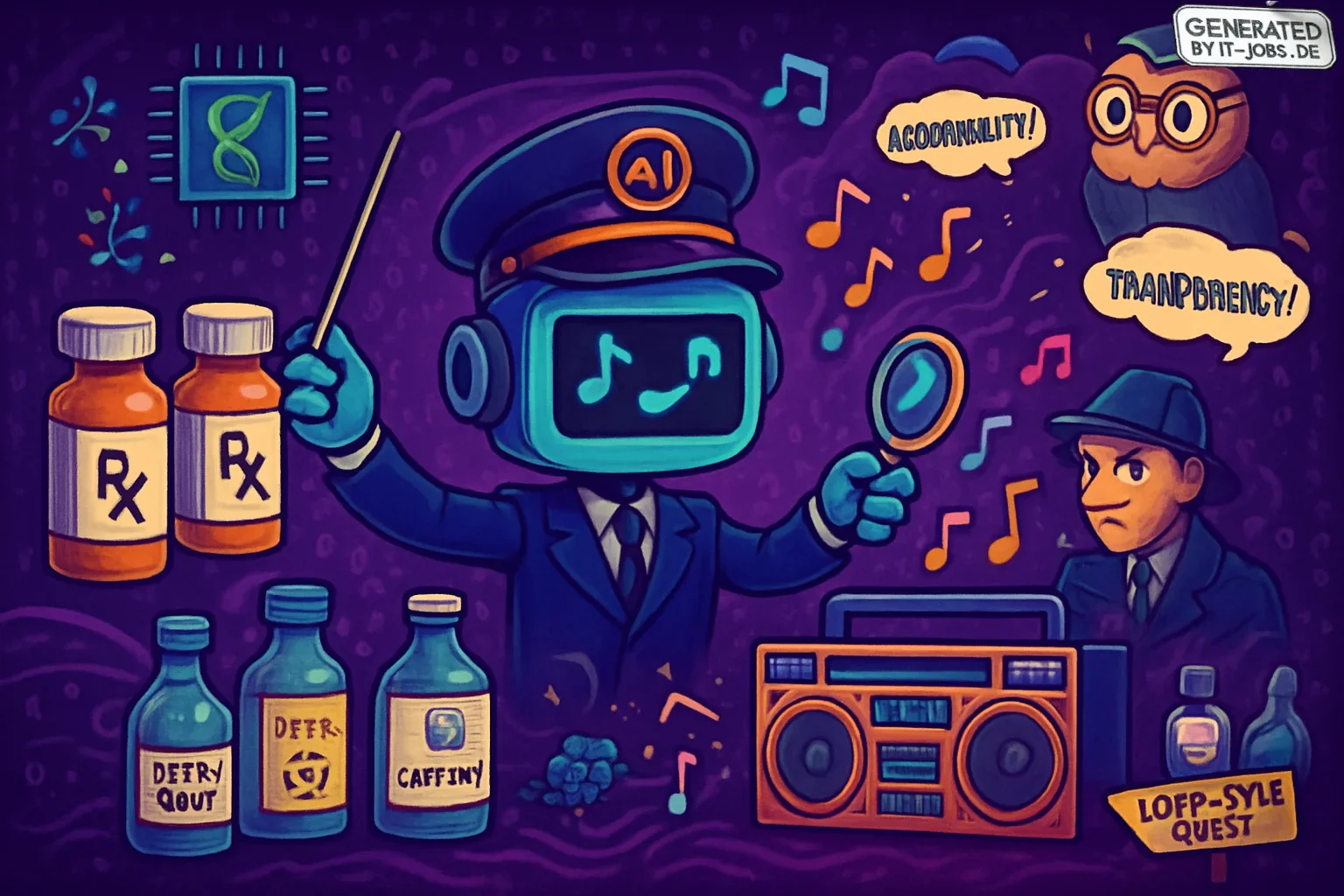
The pharmaceutical industry has often been akin to that one uncle who's still rocking his retro boombox. However, in the realm of Artificial Intelligence (AI), it's gearing up for a jazzy transformation. This late, albeit stylish, embrace of AI has the industry ready to step into a future where AI is touted as the prodigious maestro weaving its magic. So, grab your imaginary popcorn as we explore what the AI-driven future holds for pharmaceuticals. 🎬
Increased Personalization of Medicine
Ah, medicine—the one-size-fits-all approach that quite frankly makes socks jealous. Yet, brace yourselves for the AI transformation that could make personalized care as common as emojis in a teenager's diary. Leveraging the vast world of genomics and lifestyle data, AI is ready to tailor prescriptions with the finesse of a bespoke suit. Expect future prescriptions to be as personalized as your caffeine order—extra shots, soy milk, no sugar, please.
This level of customization involves AI-driven insights that get as deep as scouring through your family tree and your lunch choices, crafting treatments beyond the generic. Of course, this meticulous level of detail demands careful maneuvering in the realm of regulations and data privacy. Picture a dance where AI specialists must ensure privacy cha-cha with precision. The result? Global patient outcomes that significantly boost positive results. This AI personal assistant, folks, is the one you never knew you needed. 🤖
To ensure this tailored medicine journey is a smooth ride, regulatory bodies must be at their sleuth-like best, updating their frameworks to match the dynamism of precision medicine. It’s a technocratic waltz where science and law—a legendary buddy cop duo—must stride together with harmony. 🎵
The Role of AI in Real-World Evidence Generation
Remember how your grandmother was all about seeing to believe it? Well, regulatory authorities aren't too different with their need for real-world evidence (RWE). Thankfully, AI is stepping in as the digital librarian, cataloging, and synthesizing RWE into valuable insights as comforting as grandma's quilts but with a technological touch.
Armed with advanced analytics, AI acts like a forensic investigator, combing through patient records, social media health chats, and electronic health records (EHRs) to uncover how diverse populations experience treatments. Think of it as an Easter egg hunt, but with medication responses. The information gathered not only powers drug efficacy assessments, but it allows pharma companies to pivot rapidly to changing patient requirements and treatment landscapes. However, bear in mind that this bustling AI landscape beckons ethical discussions as all enthralling narratives do. After all, AI's relentless ability to refine prognosis ensures it stays perpetually. Visit the regulatory world where the task of following digital breadcrumbs mirrors a thrilling crime novel unraveling on your e-reader.
Regulatory Changes and Industry Standards
In the script of the pharmaceutical world film, regulatory bodies are the understated heroes peering into the AI-focused horizon. While AI may inundate us with data-drenched solutions akin to a touchdown dance after scoring, safely deploying AI requires watchful gatekeeping. Yes, regulatory maneuvers are as inevitable as using hand sanitizer at a summer festival.
As AI becomes a fixture, regulatory titans like the FDA and EMA must adjust, on their toes like a marathon runner stretching before the race starts. Current protocols, while well-aged like fine cheese, require agility to accommodate AI's growth. These bodies must shift from cautious minders to enthusiastic cheerleaders, guiding AI and pharma in an epic Lord of the Rings-style quest. Determining new benchmarks that advocate for algorithmic transparency and accountability is key—picture herding metaphorical cats while maintaining a sense of humor.
Innovative statutes must transform AI from a snazzy tech-dabbler to an integrated partner pirouetting through compliance gymnastics. And who knows? A decade from now, we might credit these regulatory activists as the pioneers who paved the "AI-vement" in the pharmaceutical realm. 🌟