



What Are the Roles and Impact of an Artificial Intelligence Specialist in Banking?
Oh, definitely! Every time I see a Spezialist für Künstliche Intelligenz im Bankwesen trying to calculate complex financial algorithms by hand, I can't help but chuckle. It's like watching someone trying to open a can with a spoon, when all along there are electric can openers available!

Introduction
Picture the bustling world of banking—a universe teeming with intricate transactions, regulations so tight they could give a drum a run for its money, and more acronyms than a tech conference's alphabet soup. It's a realm where risk management isn't a mere phrase, but instead, a daily mantra, with even the mere whisper of an unauthorized transaction causing waves akin to a caffeine overdose. Into this universe strides Artificial Intelligence (AI), much like a digital knight clad in shining algorithms, ready to banish inefficiencies and lift customer experiences to stratospheric levels. Its influence is nothing short of revolutionary, reshaping traditional banking practices from the ground up. Now, let's talk about AI—the seemingly enigmatic mix of machine learning, predictive analytics, and algorithms so slick it makes James Bond look clunky. This powerhouse has taken the banking industry by storm, working faster than you can utter, "Siri, what's my account balance?" So, how exactly is it transforming the sector? To begin with, AI mitigates risks with the kind of accuracy you could only expect from a machine running on something stronger than a triple espresso. Consider AI's predictive prowess, which spots fraudulent transactions with such dexterity and speed that seasoned human analysts might find themselves applauding. Essentially, it's like bestowing your bank with a digital superpower, one that goes head-to-head with fraudulent villains that keep bankers sleepless. But that's just the beginning! AI isn't solely about warding off catastrophes or crafting super-efficient back-office mechanisms (even though it does those things with aplomb). It’s also about wrapping customers in a digital embrace of personalization, akin to that comforting hug you get from the first sip of freshly brewed coffee. AI morphs digital banking from a mere transactional affair into a bespoke dialog, much like having an amiable, omniscient financial advisor at your beck and call in your pocket. Behind these brilliant innovations are the unsung heroes—Artificial Intelligence Specialists. These prodigies of data science, algorithm wrangling, and perhaps a dash of mystic wizardry, are the interpreters of vast oceans of data, turning them into visionary insights that catapult banks into a future filled with potential. Their role, central to this AI-induced metamorphosis, resembles a maestro conducting the grand symphony of digital evolution, deftly harmonizing human intuition with AI precision. In this section, we'll embark on a journey to explore how these AI specialists serve as the linchpins in banking’s evolutionary journey. From cracking complex data codes to enhancing customer interaction platforms, their expertise stands as the cornerstone of modern banking's strategies for innovation. Join us as we delve into the profound impact these AI virtuosos have in guiding banks towards futuristic horizons.What is an Artificial Intelligence Specialist?
In the frenetic landscape of banking, where the numbers never sleep, the artificial intelligence specialist wields their code like a valiant conductor orchestrating a symphony of zeros and ones. A modern-day Merlin with their wand made of algorithms, diving headlong into the complex realms of machine learning and predictive analytics. What role does this mysterious figure actually play? In essence, an artificial intelligence specialist combines the practicality of an engineer, the precision of a mathematician, and the foresight of a futurist, deploying AI technologies to metamorphose banking processes like a digital chameleon revolutionizing its terrain.
Positioned at the crossroads of computer science and business acumen, AI specialists carry the formidable task of navigating banking operations toward enhanced efficiency and serene customer journeys. Their dominions extend into realms where designing algorithms becomes an art form, and crafting scalable machine learning models is as much about elegance as it is about efficacy. Picture a maestro of mundane tasks, enabling chatterbots to practice the finest of customer service scripts while refining decision-making processes like a sculptor with a fine block of marble.
Let’s face it: proficiency in machine learning is an AI specialist’s crowning glory—a timeless piece in their repertoire. They maneuver through techniques like supervised, unsupervised, and even the thrill-seeking reinforcement learning with the finesse of a linguist deciphering the code of an ancient language. The ability to configure algorithms to learn and predict from datasets beats at the heart of their craft. Likewise, these specialists wade through vast oceans of data, uncovering hidden patterns and invaluable insights like treasure hunters scouting their mapped territories, guiding banks in strategic decisions and fraud-averting maneuvers.
However, being an AI specialist is not merely about technical finesse. It’s about possessing a nuanced understanding of data privacy laws, ethical AI usage, and regulatory compliance, akin to clutching an ever-evolving banking rulebook while dancing through a minefield of potential pitfalls. Their versatile role also demands a cocktail of technical prowess and soft skills—adaptability, problem-solving, and impeccable communication—to skillfully perform a pirouette through collaborations spanning IT, risk management, and beyond.
At the core, AI specialists are the architects designing blueprints for a new era of banking, crafting tools that complement traditional methodologies while paving the runway for innovation’s grand takeoff. Their influence is felt deeply in personalized customer services, fortified security structures, and slicker operations, proving themselves as indispensable allies in the banking sector's relentless quest for excellence.
Industry Examples
Of all the forces reshaping the financial industry, AI specialists find themselves at the heart of revolutionary projects. Take JPMorgan Chase's COiN (Contract Intelligence), for instance, where AI specialists played an instrumental role. Previously, interpreting commercial-loan agreements was more laborious than deciphering ancient runes, gobbling up over 360,000 lawyer hours annually. Fast forward to now, and it hums along as smoothly as a loyal AI assistant, trimming operational expenses by roughly 80%. These specialists crafted intricate algorithms capable of navigating legal labyrinths faster than a lawyer finishing their first cup of morning coffee.
Lloyds Banking Group offers another rain-check on AI prowess when it comes to fraud detection. Here, AI specialists deftly seized the potential of machine learning, dissecting transactional data to illuminate unusual patterns like Sherlock Holmes on a caffeine surge. This optimized fraud detection efficiency, rendering security infrastructure more robust while acting as a veritable shield against the sneaky ninjas of financial crime.
And let’s not forget Bank of America's Erica, the virtual financial assistant drawing on AI specialists' sage guidance. Through the alchemy of natural language processing and perceptive machine learning, Erica offers users personalized banking counsel, timely financial insights, and streamlined support, like a trustworthy financial wizard at one's beckoning. These developments underscore AI specialists' indispensability in the tech-driven terrain, paving a future teeming with opportunities as technology continues to evolve and banks soar to new heights.

Key Responsibilities of an AI Specialist in Banking
Picture an Artificial Intelligence Specialist in the banking world as a hybrid between an enigmatic code wizard and a savvy financial strategist. Okay, maybe without the billowing cape, but the analogy isn’t too far off. In the thrilling theater of modern banking, these specialists are entrusted with pivotal responsibilities that transform AI from a buzzword into a powerhouse reality. Iron Man has his suit, Sherlock his detective hat, and AI specialists? They wield algorithms with the finesse of a maestro—crafting symphonies of data that drive innovation and efficiency.
Foremost, an AI specialist is the Michelangelo of algorithm development, sculpting predictive models that decode complex customer behaviors and market trends, akin to deciphering the stock market's enigmatic love languages. They set the stage where vast reservoirs of data are harnessed to produce strategies far more insightful than the round-table crystal ball. These specialists aren’t farsighted fortune tellers but rather pragmatic coders with the gift of foresight, leveraging cutting-edge machine learning to predict the financial world’s next acts.
Data management is another cornerstone of their roles—think of it as a grand backstage operation in a theatrical production. Here, AI specialists play the crucial role of ensuring data integrity and quality, akin to a meticulous librarian organizing a bustling, dynamic library. Their mission? To clean and structure data inputs ensuring that algorithms aren’t reading from a shuffled deck of cards. After all, an AI model with messy data is no different from a playwright whose actors ad-lib through entire acts—it’s chaos with zero payoff.
Data Analysis and Management
Armed with data mining picks and big data headlamps, AI specialists delve into oceans of customer data, uncovering patterns and trends that resemble an awe-inspiring field of constellations. Their tools of choice? Python and R, among others—mirroring an explorer’s safari kit but for digital flora and fauna. They assess the efficacy of AI tools, tweaking and tuning them like a pit crew optimizing an F1 car. This constant iteration ensures all systems harmoniously churn out business insights with the efficiency of a well-oiled, synchronized machine.
Beyond processing terabytes of data, AI specialists perpetually assess their AI tools’ performance—imagining peacekeepers in a boardroom where algorithms converse amicably without territorial squabbles. Ensuring system coherency is their mantra, consistently verifying that all insights still align with bank strategies, akin to ensuring every actor hits their mark on a grand premiere night.
Collaboration Across Departments
No AI specialist reaches their potential solitary on an island. Across the banking world, diverse teams become allies, and technical and business realms converge thanks to these specialists’ multilingual abilities—speaking Python and procurement with fluency. Working closely with tech teams, AI specialists make sure their AI brainchildren happily coexist with existing IT infrastructure—like marriage counselors for data systems ensuring successful algorithmic unions.
Think of them as worldly diplomats, building bridges between tech specialists, financial analysts, and customer service mavens, enabling a collaborative utopia where everyone speaks a unified language of AI-enabled efficiency. They foster harmonious, classroom-like atmospheres through training and workshops, demystifying AI complexities. By nurturing an AI-inclusive ecosystem, they ensure no employee lags behind, enabling the seamless adoption of artificial intelligence as a guiding star for banking excellence. Much like convivial hosts at an innovation banquet, they present AI as an empowerment tool, helping the bank’s vision metamorphosize ordinary operations into extraordinary triumphs.
So together, these duties sculpt the essence of an AI specialist, aligning grand technological acrobatics with strategic foresight to fuel the banking sector’s upward trajectory toward front-edge innovation and uncharted horizons.
Latest Developments in AI Applications in Banking
Banks these days aren’t just places you visit to deposit checks; they’ve turned into high-tech sci-fi hubs, thanks to the remarkable strides in Artificial Intelligence (AI). This journey of technological enlightenment brings to mind an epic quest, where financial institutions, propelled by the winds of AI, tread new pathways in digital landscapes. The latest AI inventions have ushered in a mosaic of new possibilities, churning out transformations that make even the brightest ledger sheets feel outdated. Tunes of data science technology now captivate the banking world, orchestrating a seamless dance of machine learning, predictive analytics, and customer-centric solutions.
In the past few years, machine learning has taken the banking sector by storm, bringing a whole new level of prowess to the critical fight against fraud. Imagine an army of digital detectives deployed with unprecedented insight, filtering through multitudes of transactions like a sherpa navigating mountain terrains. These models, particularly the super-sleuth neural networks, embark on their own detective journeys, pinpointing suspect behavior with an accuracy that’d impress even the most meticulous of auditors. Think of them as armored patrols in a digital fortress that make us question if the future remains in science fiction or has spilled into present reality.
But machine learning isn’t just going gung-ho on fraud; it’s also redefining the very fabric of risk management. It’s as if a team of AI composers is at work, drafting a symphony that dances on every financial note. Built-ins with advanced simulation capabilities are redefining what it means to assess risk. These systems no longer speculatively assess financial threats; they proactively steer banks with dependable precision, as if Nostradamus himself were whispering in their virtual ears.
While risk management plays to its rhythm, AI’s greatest trick up its algorithmic sleeve may be the personalized banking experience. Gone are the days of cueing at a counter to hear a well-rehearsed sales pitch. Instead, AI takes on the role of a wise financial oracle, translating vast threads of customer data into tailored insights and recommendations that echo traditional bank nostalgia, minus the waiting game. Within this technological bubble, banks transform into customer-centric operating systems, driving engagements powered by AI’s dazzling spotlight.
Machine Learning and Fraud Detection
With the rising tide of machine learning innovations, banking now finds itself wielding a formidable toolkit against nefarious financial maneuverings. Imagine machine learning techniques as stalwart allies in the relentless battle against fraud. These technologies are pivotal for processing substantial data volumes, building an alert system that oftentimes detects suspicious activities even Sherlock could overlook. Today, banks employ deep learning models which, like cerebrally empowered watchtowers, monitor for anomalies, freezing dubious transactions faster than you can say "opaque offshore accounts."
Utilizing sophisticated decision trees, ensemble techniques, and clustering methods, banks have forged a dynamic safeguard complex ingeniously designed to counter recent and past scams alike. This technological ecosystem diligently churns through real-time data, raising flags faster than a security detail at a heist, ensuring nefarious activities find no refuge past traditional financial moats.
Risk Assessment Innovations
Saying AI has upped its game in risk management would be akin to calling a hurricane a gentle breeze. AI-powered systems bring about an entirely new domain—one where risks aren’t just assessed but are anticipated with analytical wizardry.
Gone are the conventional tactics of risk evaluations; AI swoops in with hyper-accurate models primed by reinforced learning—that same force you’d find in chessmasters calculating each potential move. Banks can forecast anomalies spanning market undulations, credit concerns, and geopolitical disturbances, all with techniques as exotic as the Monte Carlo simulations and Bayesian methods that cement AI’s steadfast gaze into the future.
The narrative of AI as a prudent navigator in choppy fiscal waters now emerges as gospel, allowing for informed directional choices that sketch the line between smooth sailing and tumultuous financial seas. Which leaves us asking: has AI consumed a crystal ball, or are these algorithms truly enlightened seers?
Challenges in Implementing AI in Banking
Ah, AI in banking—heralded as the messiah of the modern financial world, equipped to rescue us from the morass of manual tasks and catapult us into a future decked out in predictive analytics and machine learning marvels. But, much like navigating a labyrinth with no string to guide you, implementing AI in banking is no afternoon stroll through a tech-enthusiast's dream garden. Instead, welcome to the gauntlet of complexities and headaches that lie beneath the shiny veneer of this digital utopia. Picture donning a metaphorical suit of armor as we charge into the realm of challenges that must be overcome before letting AI’s full potential blossom.
First in line, let's address the colossal conundrum of regulatory compliance. Banking institutions are well-versed in the operatic dance with regulations, yet AI throws in moves that could flummox even the best choreographer. The cryptic nature of AI algorithms has reduced many compliance teams to mere mortals grappling with unknown forces. Visualize regulators as hermit-crab sages, asking for transparency and clarity from AI-driven decisions—demands not unlike deciphering a bank statement written in ancient hieroglyphs. Ensuring these AI models comply with laws like GDPR or the Equal Credit Opportunity Act is akin to taming wild tornadoes with a butterfly net.
Enter the ethical arena with ethical considerations—a domain where AI lacks the innate sensitivity required to make sound moral judgments. It's like asking your no-nonsense Roomba to contemplate why tidying up that particular patch of floor might carry profound moral implications. Without checks, AI can propagate biases that belonged in history books rather than today's lending decisions. The quest to give AI a semblance of ethical awareness mirrors attempting to teach your pet goldfish to recognize the subtleties of Shakespearean subtext—a noble but daunting pursuit.
Then, we have the knottiest puzzle of all: data privacy. Banks resemble treasure troves of customer information, and deploying AI necessitates handling this data delicately, like a master juggler performing live in a china shop. Mishandling it would not only summon significant regulatory wrath but also transform once-devoted customers into perpetually displeased critics. It’s like trying to bake a souffle with swords hanging precariously over your culinary masterpiece. The need to protect this data while using it innovatively is both art and science, demanding meticulous balance.
And let’s not forget the challenge rooted in human nature: organizational change. AI integration commands not just a technical overhaul but a conversion of hearts and minds. Convincing the trusty spreadsheet enthusiasts that AI is a friend and not the reaper of their careers is much like coaxing an analog-loving audiophile into embracing MP3s. It’s about instilling confidence and reducing fears of obsolescence—a herculean task if ever there was one.
Lastly, we face the enigma of talent scarcity. Finding professionals who blend AI mastery with banking acumen is comparable to hunting for a mythical creature—a unicorn on Wall Street. These elusive experts command princely sums, making their acquisition a financial juggling act rivaled only by the most dexterous circus performer. The scarcity of such digital polymaths adds another layer of complexity to AI's implantation.
While AI’s promise shines brighter than the North Star on a cloudless night, its path is fraught with formidable obstacles. Yet, with strategic foresight and unyielding resolve, the day may soon dawn when AI seamlessly adorns its financial crown, forging an industry that's equitable, compliant, and fit for the future.
Regulatory Compliance
When navigating the legal labyrinth of regulatory compliance, banks discover that implementing AI is a journey beset by formidable challenges. Here's where AI's notorious "black box" begins to resemble a secretive enigma in need of deciphering. Regulators insist on transparent accountability, but untangling AI’s decision-making is like deciphering spaghetti code in a foreign language. Compliance with laws such as GDPR and the Equal Credit Opportunity Act requires that AI decisions are not only ethical but also readily understandable, a feat often met through investment in explainable AI (XAI). XAI helps banks translate the cryptic language of algorithms into plain English, appeasing both regulators and auditors and building a bridge to mutual understanding.
Ethical Considerations
Navigating the ethical landscape of AI in banking is akin to walking a moral tightrope with a multi-legged robot. Beneath its slick exterior, AI harbors hidden biases that may perpetuate systemic inequities unless diligently managed. Deploying an AI trained on skewed historical data without corrective measures risks perpetuating unfair practices, especially in credit and lending. To ward off such digital dragons, banks must infuse their AI systems with ethical frameworks that resemble a technological code of chivalry. Tools and methods designed to detect, dismantle, and diminish bias help ensure decisions are fair, fostering an environment of trust within this brave new digital domain.
Data Privacy and Security
The guardianship of data privacy and security stands paramount as banks embrace the capabilities of AI, relying on oceans of sensitive customer data to fuel intelligent decisions. Like a digital Fort Knox, ensuring solid data protection practices is essential; yet, breaches and data missteps can spell doom for secrecy and reputation. As banks erect barriers to protect against such mishaps, they employ techniques like data anonymization and encryption—fortifying their digital castles. Simultaneously, fostering a privacy-first culture empowers employees to champion data protection, ensuring compliance with pertinent regulations such as GDPR and CCPA. In striking this delicate balance, banks unlock AI’s transformative potential, allowing relationships with customers to flourish amidst the assurance of security.
Strategies for Navigating AI Challenges
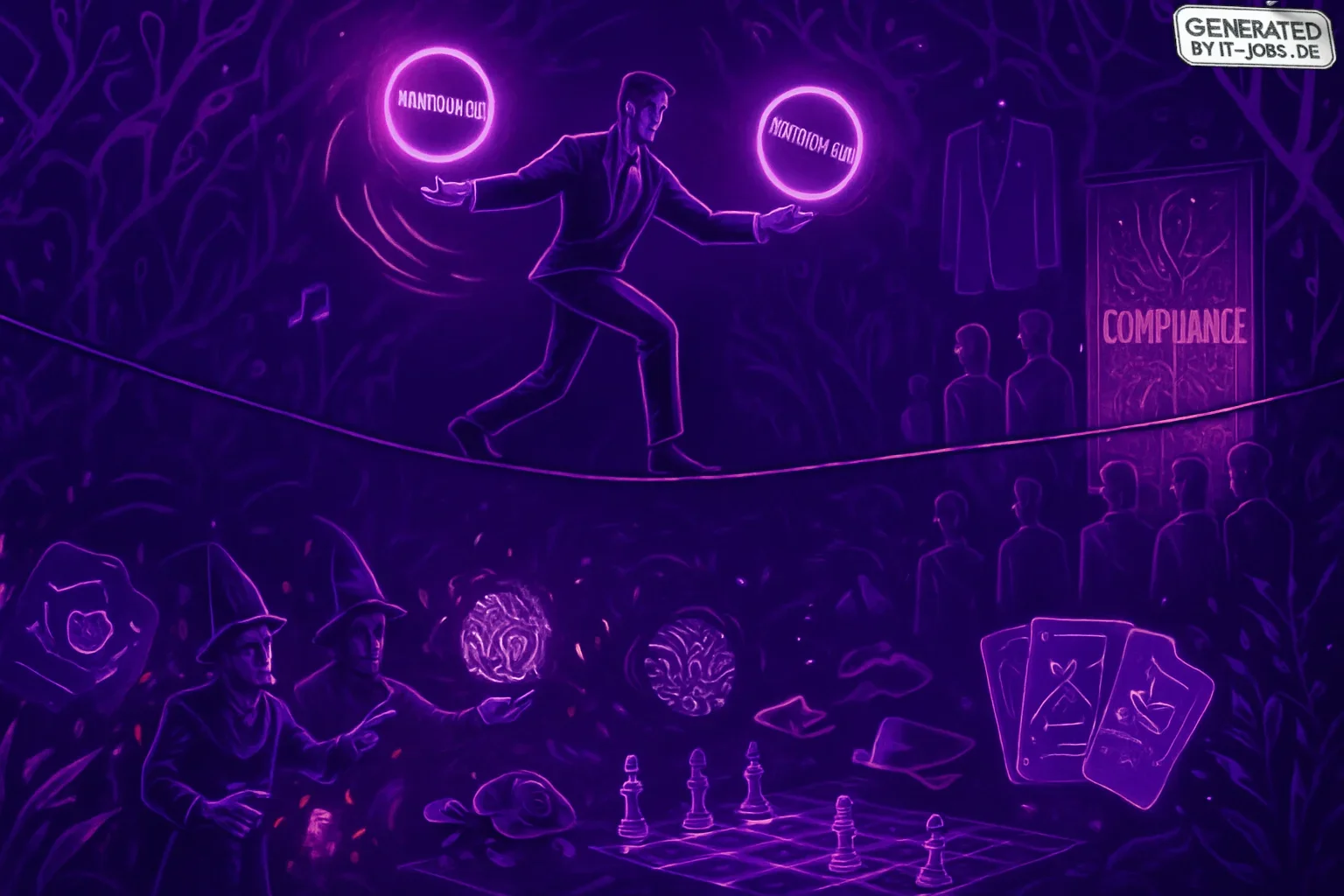
You can think of implementing AI in banking as hosting an extravagant event on a high-wire where guests are entertained by juggling, fire-breathing tech wizards. Yet, it’s all fun and games until something goes wrong, and in the convoluted jungle of AI, bank leaders must gingerly chart their course. The trick is balancing the innovation act while adhering to all those finicky compliance rules and ethical standards without setting the curtains ablaze. Here’s how banks can orchestrate this intricate dance without leaving anyone dangling precariously.
Compliance Frameworks
Dawning the mantle of compliance is akin to entering a glamorous ball where your ensemble must pass every scrutiny—and this room even knows its Smiths from its Brioni. In the ever-spinning world of Artificial Intelligence, banking heads must architect their compliance latitude much like a master tailor fitting a suit. Each stitch in their compliance frameworks should echo the stringent demands of local and international edicts like GDPR and CCPA.
A trustworthy framework, as advised by the esteemed Amundsen Davis LLC, would weave regular audits, strict certifications, and a well-founded knowledge of prevailing regulations into its tapestry (Amundsen Davis LLC, 2026). Picture this orchestrated symphony of checks and balances as the mechanism that prevents rogue algorithms from running amok like uninvited guests. Many financial stalwarts now assign AI compliance officers, mythic beings who soothe the tempest between algorithms and compliance, combining the traditions of law with the pragmatism of code.
When today's pioneering technologies outpace the old book of laws like a leisurely tortoise in a jet race, financial institutions must remain vigilant, ever-adapting. Some banks have smartly set up AI ethics boards, acting as the vigilant pawns on the chessboard that rein in sprightly algorithms whose exuberance might overshadow their logic. The key strategy? An ever-dynamic compliance framework as versatile as your adaptable friend you take to every soiree.
Enhancing Transparency
Building faith in AI's kaleidoscopic brilliance demands banking entities play open cards, and Explainable AI (XAI) is the king of hearts in this trust game. Much like your esteemed professor asking for a proof rather than accepting Pi equals 3.14 carte blanche, XAI lays bare the arcane spells of AI, revealing step-by-step how its sorcery works. This approach isn't about reciting arcane gibberish; it's about decoding AI's riddler facade into transparent, comprehensible tales.
But while transparency offers a glimpse into AI’s black box, it also asks: How exactly are banks utilizing our data? Google's stance on AI heralds a dual approach—combining clarity with customer confidence (Google Cloud, 2026). Transparency initiatives mimic open-air discussions prompting clients to understand AI’s indispensable role in modern convenience. You've heard of dinner table debates and viral cat videos; now brace for learning workshops where AI takes center stage, morphing from a shadowed enigma to that charismatic party guest with remarkable stories.
Inviting customers for AI dialogues allows banks to refine their strategies and serves as the feedback elixir who aligns results not only with binary expectations but with human-worth values. In essence, this synergy between man and machine unwraps a user experience that's nothing short of an elegant waltz—where AI's rhythm artfully complements the nuanced steps of human necessity.
Conclusion
Ah, the boundless wonders of Artificial Intelligence in banking! If banks were orchestras, AI would be the conductor dramatically waving the baton to produce a symphony of operational excellence, pitch-perfect customer experiences, and harmonious risk management. With AI specialists as maestros, banks are transforming from pen-and-ledger establishments into futuristic, finely-tuned financial powerhouses. Powered by machine learning, fraud detection systems won't just be proactive—they'll be bordering on clairvoyant, while customer interactions will feel as personal as a handwritten note from a wise financial sage.
But let's not forget our modern-day wizards—the AI specialists. Think of them as magical architects, wielding their digital wands to conjure a reliable infrastructure that balances the delicate art of innovation with the meticulous dance of regulatory and ethical compliance. With skills that could rival any data sorcerer, these specialists deftly navigate the treacherous landscapes of cross-departmental collaboration, making sure the AI gears turn smoothly and sustainably for generations to come.
Integrating AI into banking isn't just about embracing the next best tech trend; it's about evolving into an agile and responsive entity ready to predict market trends like a seasoned soothsayer, assess credit risks with the exactness of an abacus, and deploy chatty AI-driven chatbots that are both omnipresent and omniscient. AI specialists are undeniably steering banks towards this new banking Nirvana, but like any epic tale, the road is fraught with dragons and trolls—in the form of regulatory compliance and ethical dilemmas.
Imbuing AI into banking is a Herculean task, peppered with challenges. Here, caution is your fiercest ally. Ensuring compliance is no longer a staid routine; it's an art form, evolving with the agility of a fox, while ethical considerations need the sensibility of a wise sage. Cultivating an AI landscape that values transparency and customer trust is paramount. Our financial heroes—AI Specialists—must tread this path with grace and certainty, lest they leave a trail of chaos as fiery as Smaug's.
As we glance into the evanescent future, it's clear that the role of AI specialists will keep morphing like the ever-changing constellations. The promise of AI’s potential hovers like a tantalizing mirage on the horizon, capable of personalizing services so deftly that even the most particular customer will feel like royalty. Banks ready to ride the digital dragon into this dawn have everything to gain—with AI specialization anchoring innovation and compliance for a resilient and prosperous future.
In short, the tale of AI in banking is not just another technical saga; it’s a story of how human ingenuity combined with artificial genius can deliver exceptional, faster, and more personalized financial services. As AI specialists lead the charge, the industry stands on the cusp of remarkable operational capabilities, maintaining a steadfast commitment to ethics and transparency, which ensures everyone in the banking kingdom sleeps peacefully tonight.
Future Prospects
Picture a future where banks float among the clouds—not literally, but within digital realms of intelligence and spectacular efficiency. AI is poised to become the magical elixir that will soothe complexities and elevate routine banking to new mystical heights. Futurists envision armies of advanced machine learning algorithms orchestrating autonomous banking operations—each move recorded meticulously to outperform even Santa’s naughty-and-nice audits.
These impending technological marvels promise royal treatment; hyper-personalized experiences that not only predict your financial needs but respond in real-time with the alacrity of a thousand-foot soldier AI. Mortals will no longer ponder “What should I do with my finances?” but rather “My AI told me my finances are improving!”—all thanks to super-sophisticated AI systems operating with seamless synchronicity.
Yet, with power comes the responsibility—ah, the eternal ethical seesaw. As automation and algorithms surge ahead, banks must vigilantly maintain their ethics leash tightly on their AI workhorses. The quintessential game of AI chess must evolve, with AI policies that respect privacy and regulation like the hallowed code of chivalry.Transparency must reign, ensuring the mystical concoction does more good than harm, preserving the exquisite equilibrium between man and machine.
In all likelihood, the prospects for AI in banking are framed by confidence where innovation and ethical responsibility converge in an epic balance—a realm where AI Specialists aren't just tech artisans, but vanguards sculpting the landscape of future finance. The next chapter is unfolding, carrying promises of transformation and steadfast advantage, inviting all to witness—or partake in—the digital crusade that AI offers to every bank willing to embrace its ever-charming, yet formidable capabilities.